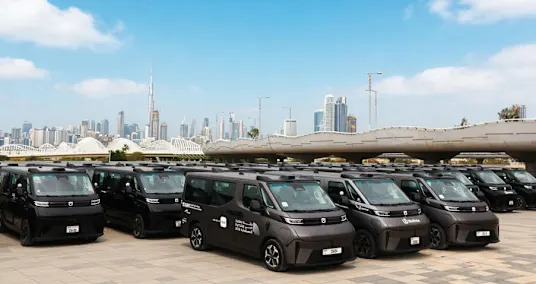
The dream of driverless taxis continues in the Gulf, where the conflict with Iran has slowed but not stopped progress on autonomous transport in Abu Dhabi, Dubai, and Riyadh.
Uber and WeRide added another driverless route in Saudi’s capital this week, linking shopping centers Hayat Mall and Riyadh Gallery. The expanded service comes after the vehicles completed more than 1,700 trips in a trial phase, according to the regulator.
Uber and WeRide have also launched fully driverless services in Dubai, beginning in popular residential and commercial areas Jumeirah and Umm Suqeim, with no safety monitor on board. Separately, Dubai Taxi Company plans to deploy more than 1,000 driverless cars in the city with Baidu’s Apollo Go, starting with a fleet of 50 this year. Earlier this month, Autogo, part of Abu Dhabi-backed technology company K2, began offering rides on Yas Island, and it plans to expand to Saadiyat and Al Maryah islands.
All this is bad news for the region’s taxi drivers, a largely South Asian group whose business is already down due to the conflict with Iran.
LATEST POSTS
- 1
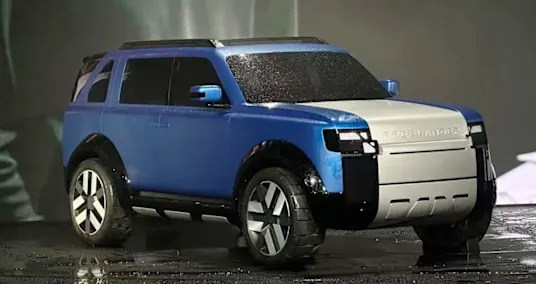
 The Land Rover Freelander Is Back—But It’s No Longer a Land Rover
 - 2Shah Capital pushes for Novavax sale, warns of proxy fight
- 3This Miraculous, Cliff-Perched Town In The South Of France Is A Sacred European Gem
- 4Without evidence, CDC changes messaging on vaccines and autism
- 5Iran slams UN nuclear watchdog for failing to condemn Bushehr attacks



- Investigate Business Mastercard Choices for Better Rewards and Rewards
- 5 Breakout Stars in Ongoing television Series
- New UPS distribution center in Taiwan doubles capacity, productivity
- Watch Rocket Lab launch Japanese technology-demonstrating satellite to orbit tonight
- Blood pressure drug recalled for possible cross-contamination
- Young Muslims in Germany feel left out of Mideast debate, experts say
- Clones of Stumpy, Washington D.C.'s beloved cherry blossom tree, have flowered for the first time
- I work with companies to confront addiction in the workplace. The hidden crisis is costing corporate America millions.
- How a Middle East War Becomes a Retail Price Hike