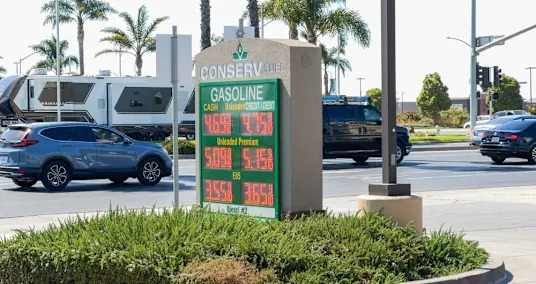
Global petrol prices have climbed sharply following disruptions to oil supply linked to the Iran war, prompting governments to act selectively to control costs.
Retailers worldwide are now navigating higher fuel prices alongside shifting consumer behaviour and rising supply chain costs.
Prices at the pump have increased significantly in many major markets since the conflict escalated. Diesel has surged even faster in some regions, adding further pressure on delivery and logistics costs.
Governments are attempting to ease these pressures without creating long-term fiscal problems.
Targeted tax cuts and subsidies
Fuel tax reductions remain the most common measure to reduce petrol costs. Several governments have lowered fuel duties or levies to support households and businesses.
In the UK, the existing fuel duty cut is under review. Officials have warned it is “too soon” to measure the economic impact of the conflict. This reflects caution over inflation and public spending.
Other countries, such as France, are offering targeted subsidies to specific sectors like transport and agriculture, rather than applying broad price cuts. For retailers, this creates uneven pricing environments and short-term fluctuations in fuel demand at forecourts.
Demand reduction policies shift retail patterns
Unlike previous crises, governments are now focusing on lowering fuel consumption as well as controlling prices.
Measures include promoting remote work, encouraging public transport use, and in some areas, introducing shorter work weeks. Severe cases have seen fuel rationing return.
These policies affect retail footfall. Reduced commuting lowers visits to petrol stations and convenience stores. Delivery schedules and product availability can also be disrupted, particularly for grocery and fast-moving consumer goods sectors.
Retailers are adjusting to changes in customer behaviour driven by higher fuel costs and government guidance.
Rising fuel costs pressure supply chains
Higher petrol and diesel prices are increasing operating costs across retail supply chains. Transport and logistics costs are rising, pushing up wholesale prices and, in turn, retail shelf prices.
Governments are monitoring fuel retailers to prevent excessive markups. In some markets, price transparency tools have been introduced to allow consumers to compare prices more easily, which increases competition among forecourts.
For international retailers, these trends signal continued volatility. While targeted government action may ease the impact in the short term, underlying global oil market instability continues to create uncertainty for pricing, logistics, and customer demand.
LATEST POSTS
- 1
 Instructions to Really Oversee Unsold SUVs in the Auto Business
 - 2Iran fires one of largest barrages in weeks ahead of Passover
- 37 Countries Where You Can Buy a Home for Under $100,000
- 4How we came to be: Scientists get first look at the evolution of early complex animals
- 5Over 60 local leaders push Netanyahu to halt haredi draft bill, warn of social rift




- Faulty glucose monitors linked to 7 deaths and more than 700 injuries, FDA warns
- Figure out How to Streamline Your Profits in Gold Speculation
- They grew up with 'almond moms.' Now, they dread going home for the holidays.
- NASA releases new photos of interstellar comet 3I/ATLAS
- Step by step instructions to Utilize Open Record Rewards for Your Potential benefit
- The Reduced Portage Horse: An Inheritance Reconsidered for Present day Experience
- 'Home Alone' actor Joe Pesci said 'no' to this stunt until he saw a 9-year-old girl do it, says director Chris Columbus
- The Best Games On the planet
- New UPS distribution center in Taiwan doubles capacity, productivity